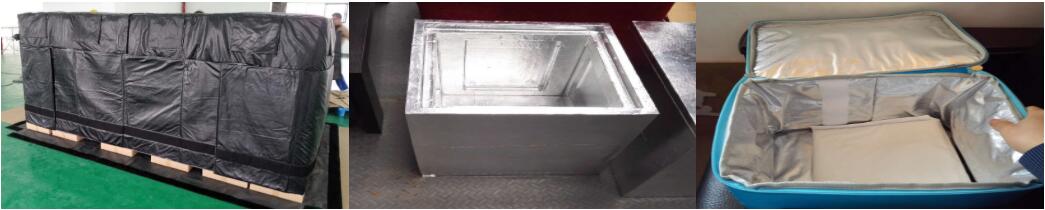
Aerogel Blanket used for the cold storage industry
The countries with rapid development of the external cold storage industry mainly include Japan, the United States, Finland, Canada and other countries. Japan is Asia's largest producer of quick-frozen foods, and low-temperature stores below -20 °C account for more than 80% of cold storage. In recent years, the large-scale storage of large-scale fruit and vegetable storage in foreign countries is mostly a gas storage library. For example, the use of modified atmosphere storage apples in the United States has accounted for 80% of the total refrigeration; France and Italy have also vigorously developed this technology, and the storage of apples in the atmosphere has reached the refrigerated apples. The total number is 50% to 70%; the British atmosphere is up to 220,000 tons. Developed countries such as Japan and Italy already have 10 world-class automated cold storages. In recent years, China's cold storage construction has developed rapidly, mainly in the main fruit producing areas and vegetable bases in the suburbs of large and medium-sized cities. For the preservation of fruit and vegetables, a high temperature library with a minimum temperature of -2 °C is generally used, and aquaculture and meat preservation are used for a low temperature library with a temperature below -18 °C. According to statistics, the existing refrigeration and refrigeration capacity in the country has reached more than 5 million tons, of which foreign capital, Sino-foreign joint ventures and private cold storage account for about 500,000 tons, and state-owned cold storages of more than 4.5 million tons, belonging to domestic trade, agriculture, foreign trade and light industry systems. Among them, the domestic cold storage capacity of the domestic trade system has reached more than 3 million tons, accounting for more than 60% of the national total. China's commercial system has a fruit and vegetable storage area of more than 2 million m2, and storage capacity of more than 1.3 million tons, including more than 700,000 tons of mechanical refrigerators, and more than 600,000 tons of common warehouses.
Foods that need to be refrigerated, such as fresh fruits, require cold chain logistics during transportation. The scope of application of cold chain logistics includes: primary agricultural products: vegetables, fruits; meat, poultry, eggs; aquatic products, flower products. Processed food: frozen food, poultry, meat, aquatic products and other packaged cooked food, ice cream and dairy products, chocolate; fast food ingredients. Special goods: medicines, so it is more complex and more complex than the general temperature logistics system, and the construction investment is much larger. It is a huge system engineering. Since the timeliness of perishable foods requires higher organizational coordination in all aspects of the cold chain, the operation of the food cold chain is always related to the energy cost, and the effective control of operating costs is closely related to the development of the food cold chain. Zhongning Technology Aerogel Insulation Material has extremely low thermal conductivity and excellent thermal insulation performance, which can greatly save energy consumption costs and help the rapid development of food cold chain.
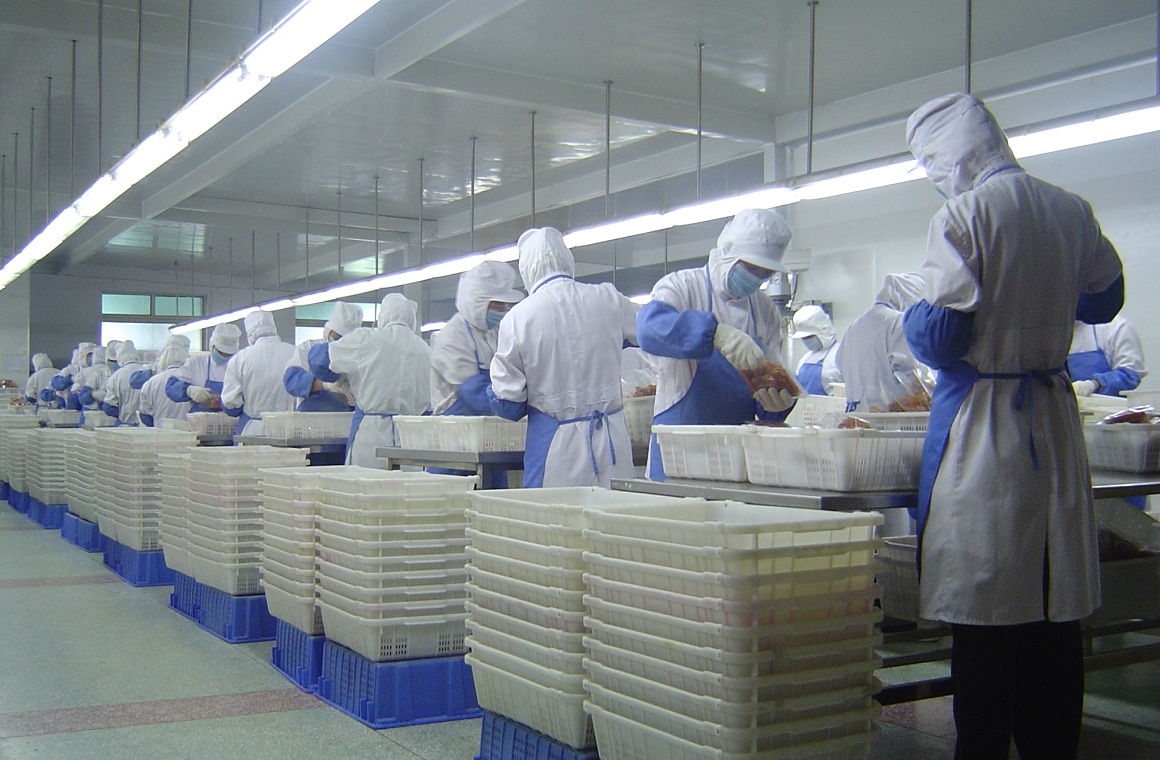
From the current situation and development trend of the cold storage, the fruit temperature constant temperature adjustment library has developed rapidly, and the proportion of low temperature storage has increased. The domestic cold storage industry is moving towards the use of aerogel insulation blanket for lightweight prefabrication, low temperature, large scale, management and In and out of the warehouse cargo handling automation, fruit and vegetable cold storage constant temperature gas conditioning, cooling fan instead of piping and extensive use of Freon refrigerant operation is convenient, flexible, efficient, safe, environmentally friendly and energy-saving development. Cold storage is a large energy consumer. Some data indicate that an increase of 0.1 mm in the oil film in the evaporator will cause the evaporation temperature to drop by 2.5 °C and the power consumption to increase by 11%. If there is oil film or scale in the condenser, frost on the surface of the evaporator will cause the evaporation temperature to drop and the power consumption to increase.
Since the beginning of the new century, China's agricultural product storage and preservation technology has developed rapidly, the development environment and conditions of agricultural product cold chain logistics have been continuously improved, and the cold chain logistics of agricultural products has developed rapidly. About 400 million tons of fresh agricultural products enter the circulation field every year in China, and the proportion of cold chain logistics is gradually increasing. With the continuous expansion of the cold chain market, cold chain logistics enterprises have emerged continuously, and have shown the trend of network, standardization, scale and group development. When the development of the cold chain logistics industry is booming, the shortcomings are becoming more and more obvious. First, at present, the implementation of standards in this industry in China is not in place. Many enterprises have not implemented according to national standards, and their self-discipline is poor, and the development of the industry is difficult. Second, the equipment is backward and the technical level is low, which makes it impossible to provide low-temperature protection for the perishable food circulation system. Third, the cold chain logistics concept is weak, the requirements of cold chain logistics are relatively high, and the corresponding management and capital investment is larger than the ordinary room temperature logistics, and the price is relatively high. People tend to prefer cheap and illegal products without knowing it, which also adds obstacles to the development of cold chain logistics.
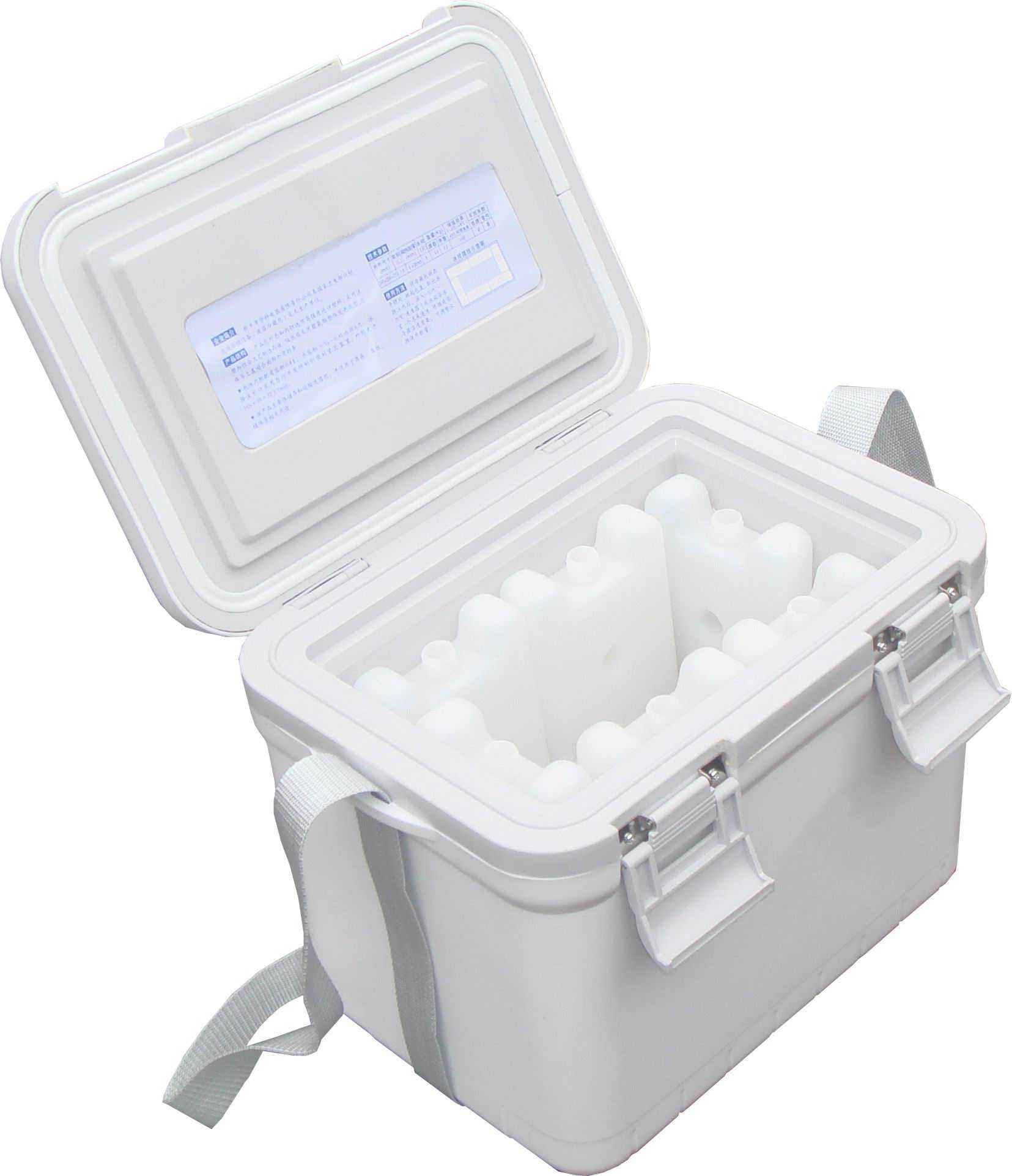
Advantages of huatao aerogel in cold chain logistics and cold storage:
1. Excellent insulation performance:
As a new thermal insulation material, Huatao aerogel insulation felt has excellent thermal insulation performance. Its thermal conductivity is 0.018 w/m·k at a test temperature of 25 ° C. At low temperature, it is tested. When the temperature is -25 °C, the thermal conductivity is only 0.015 w / m · k; while the polyurethane (PU) at the test temperature of -25 ° C, the thermal conductivity is 0.026 w / m · k; compared to VIP vacuum insulation For the board, the aerogel insulation material has a more dynamic insulation effect and can be recycled. Therefore, at the low temperature, the same thermal insulation effect can be achieved, and the aerogel thermal insulation felt can be thinner than the polyurethane (PU).
2. Extraordinary durability:
The unique nano-three-dimensional network structure provides excellent thermal insulation stability, avoiding the phenomenon that the long-term use of traditional materials is prone to accumulation deformation and the thermal insulation effect is drastically reduced.
3. Excellent water resistance:
The overall lotus leaf-like water-repellent effect, the water-repellent rate is ≥99.6%, and the overall waterproof performance is excellent.
4. Excellent compression, tensile and crack resistance:
Excellent physical properties, can resist the brutal and violent construction and the internal stress of alternating hot and cold, and will not settle or deform after long-term use. It is light and easy to disassemble, with short construction period, good air tightness and high space utilization.
5. High quality environmentally friendly products:
Huatao silica aerogel insulation material has stable chemical properties, no volatile substances in the process of use, no decomposition or mildew, and good corrosion resistance. In the production process, no harmful gas is generated, and the environmental protection concept is also embodied in the production process. The solid waste generated can be recycled and treated, and it is an environmentally friendly product that can be recycled.